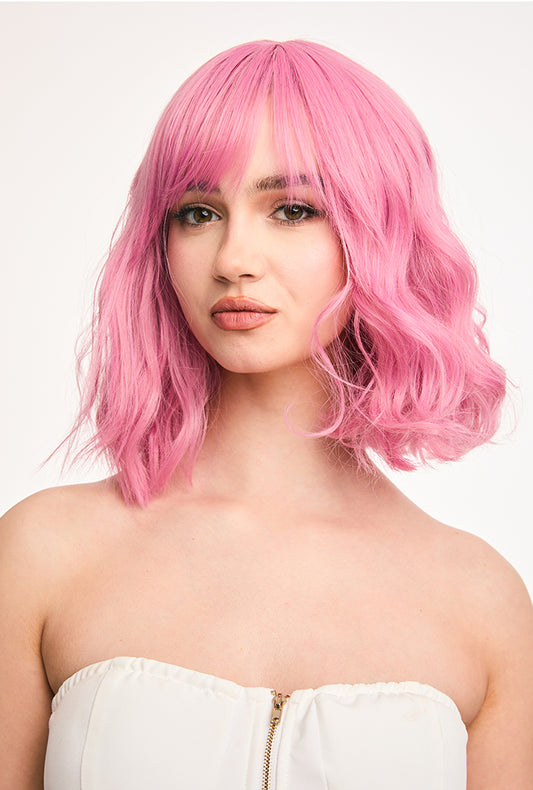
Wigs for Trichotillomania UK: Gentle, Comfortable Solutions for Hair Loss
Last Updated:
If you’re going through this, you’re not alone
If you’re dealing with hair pulling and the visible effects it leaves behind, it can feel deeply personal—and at times, isolating. You might notice thinning patches, uneven hair growth, or areas you try to hide every day. Alongside that, there’s often something heavier: anxiety, self-consciousness, or even avoiding social situations altogether.
Many people in the UK facing this challenge are quietly searching for solutions that feel safe, gentle, and non-judgmental. That’s where Wigs for Trichotillomania UK come in—not as a way to “hide,” but as a way to reclaim comfort, confidence, and control.
Wigs can’t treat the condition itself, but they can support you emotionally, practically, and socially while you navigate your journey.
Wigs for Trichotillomania UK: More Than Just Appearance

Wearing a wig is not about pretending—it’s about protecting your wellbeing.
Many people find that using hair loss wigs helps reduce daily stress. Instead of worrying about how your hair looks, you can focus on your day, your work, your relationships.
You might notice:
· Feeling more comfortable leaving the house
· Less urge to constantly check or adjust your hair
· Increased confidence in social or professional settings
For some, wigs even create a protective barrier, reducing access to the hair and helping interrupt pulling habits.
Most importantly, choosing a wig is an act of self-care, not avoidance.
Choosing the Right Wig: Comfort Comes First
When looking for Wigs for Trichotillomania UK, comfort should always come before style or price.
If your scalp is sensitive, irritated, or healing, the wrong wig can make things worse. The right one should feel almost unnoticeable.
What to look for:
· Lightweight construction – avoids pressure on sensitive areas
· Breathability – look for caps that allow airflow
· Soft inner lining – reduces friction against the scalp
· Adjustable fit – prevents tightness or slipping
Many people specifically search for comfortable wigs sensitive scalp because traditional wigs can feel heavy or itchy. Prioritizing comfort will make long-term wear much easier.
Why Monofilament Wigs Are Ideal for Sensitive Scalps
One of the best options for gentle wigs is monofilament wigs.
Unlike standard wigs, where hair strands are sewn in bulk, monofilament wigs use a fine mesh base where each strand is individually attached.
Why this matters:
· Less direct pressure on the scalp
· More natural movement of hair
· Better airflow and breathability
Think of it this way: instead of thousands of tight contact points, the pressure is distributed more evenly and softly.
For people dealing with irritation or healing skin, monofilament wigs are often a game-changer.
Lace Front Wigs: Natural Look Without Compromising Comfort
If achieving a natural hairline matters to you, lace front wigs are worth considering.
These wigs feature a delicate lace material at the front, creating the illusion that hair is growing directly from your scalp.
Benefits:
· Realistic hairline appearance
· Lightweight and flexible front section
· Less noticeable when worn daily
For many users, lace front wigs strike a balance between appearance and comfort, especially when combined with soft cap constructions.
Wig Care & Scalp Health: Building a Gentle Routine
Wearing wigs regularly means your scalp still needs attention and care.
A consistent routine helps prevent irritation and keeps both your scalp and wig in good condition.
Example weekly routine:
· Monday – Wig Care Day
Gently wash your wig with sulfate-free products and let it air dry
· Wednesday – Scalp Care
Remove the wig, rinse your scalp with lukewarm water, and apply a soothing, non-greasy moisturizer
· Friday – Rest Day
Give your scalp time to breathe—avoid wearing your wig if possible
Additional tips:
· Avoid tight caps for long hours
· Keep your scalp clean but not over-washed
· Choose comfortable wigs sensitive scalp to minimize friction
Consistency matters more than perfection here.
Wearing Wigs with Confidence in Everyday Life
Adjusting to wearing a wig takes time—and that’s completely normal.
In the first few weeks:
You might feel slightly “aware” of the wig. This fades as you get used to the fit and feel.
At work:
Choose a simple, natural style that matches your usual look. This helps you feel more at ease.
Social situations:
Most people won’t notice you’re wearing a wig. If someone does ask, you can decide how much to share—your story is yours.
Emotionally:
Some days will feel easier than others. Be patient with yourself. Wearing a wig is not about perfection—it’s about feeling safe and comfortable.
Wigs for Trichotillomania UK: Ailsa’s Gentle Picks
If you’re exploring options, here’s how to choose based on your needs:
For very sensitive scalps:
· Monofilament-based soft cap wigs
· Lightweight gentle wigs with minimal seams
For a natural everyday look:
· Lace front wigs with subtle density
· Styles that mimic your original hair
For all-day comfort:
· Breathable hair loss wigs
· Adjustable caps with soft lining
For beginners:
· Easy-to-wear designs with minimal styling required
· Comfortable wigs sensitive scalp focus
Rather than choosing the “best-looking” option, focus on what feels right when worn.
You Deserve Comfort, Confidence, and Choice
Living with hair pulling can feel overwhelming—but you’re not alone, and there are supportive solutions available.
Wigs for Trichotillomania UK are not about hiding who you are. They’re about giving yourself the space to heal, rebuild confidence, and move through the world with greater ease.
You deserve to feel comfortable in your own skin—every single day.
If you’re ready, you can explore gentle, scalp-friendly options designed with care, understanding, and real-life comfort in mind.